STORY
Under a Changing Sky
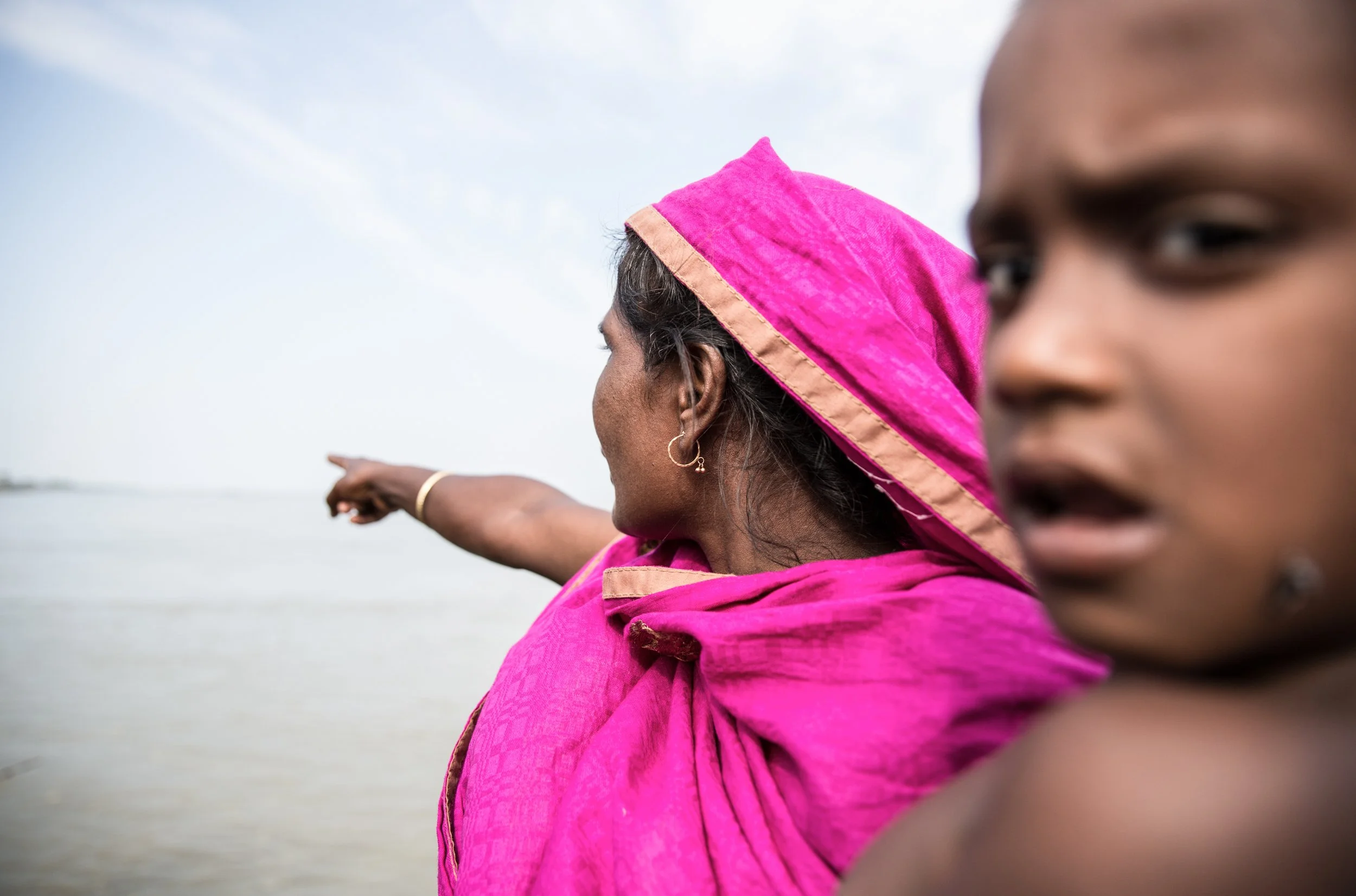
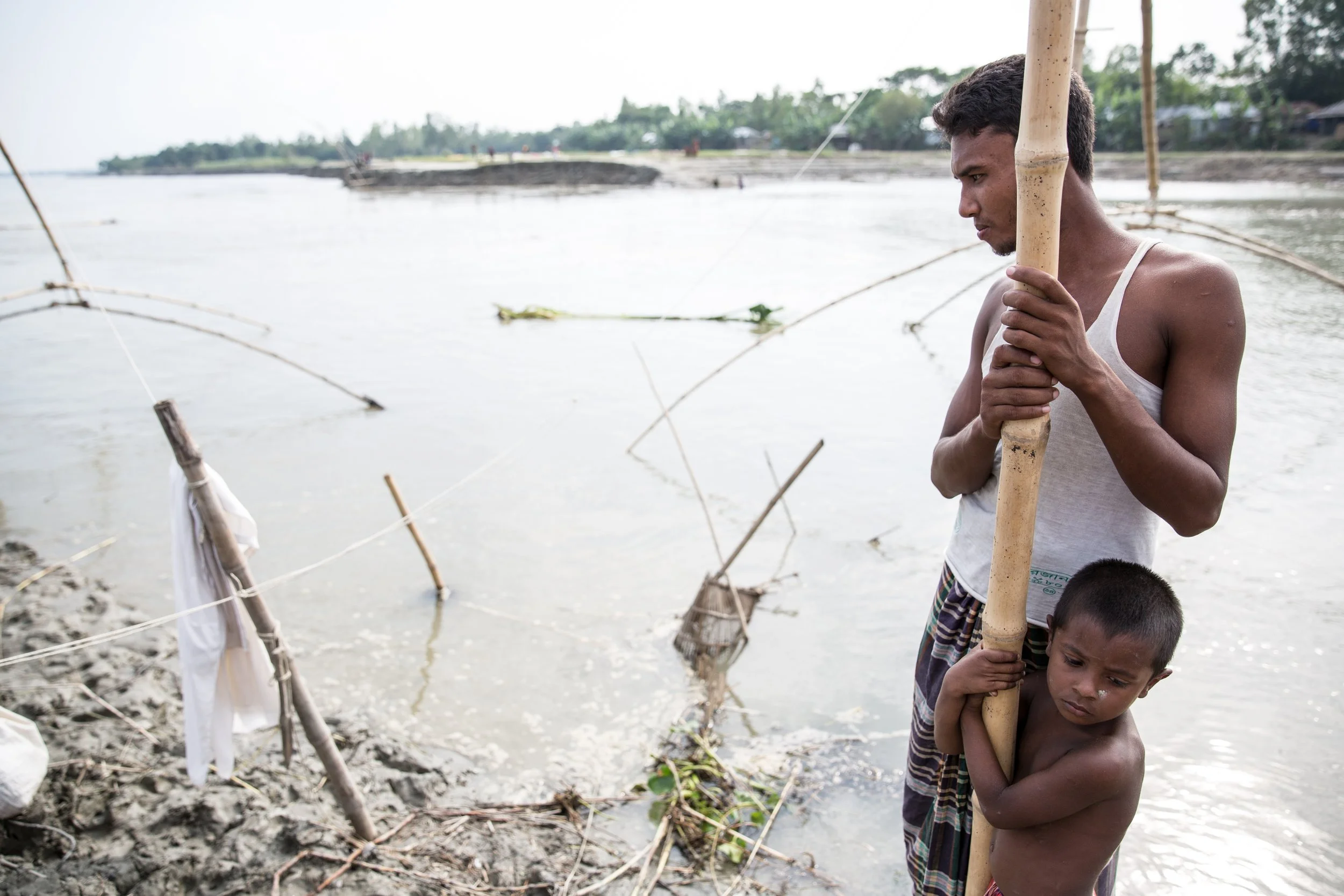
“There is a small piece of land in the middle of the river. I was born there. But then the river grew and washed our home away. We moved farther away, but the river kept growing. We’ve lost our home three times.”
Bangladesh has long lived with water. Rivers shape its geography, sustain its agriculture, and repeatedly redraw the lives of those who live along their banks. But over the past decades, climate change has intensified the country’s environmental fragility, accelerating patterns of erosion, flooding, salinity intrusion, cyclones, and displacement that continue to reshape entire communities.
According to the World Bank, Bangladesh is among the countries most vulnerable to climate-related displacement, with millions of people expected to be internally displaced by 2050 as environmental pressures intensify. Across the country, families are already moving because of the slow accumulation of loss: land swallowed by rivers, crops destroyed by saltwater, homes rebuilt and lost again.
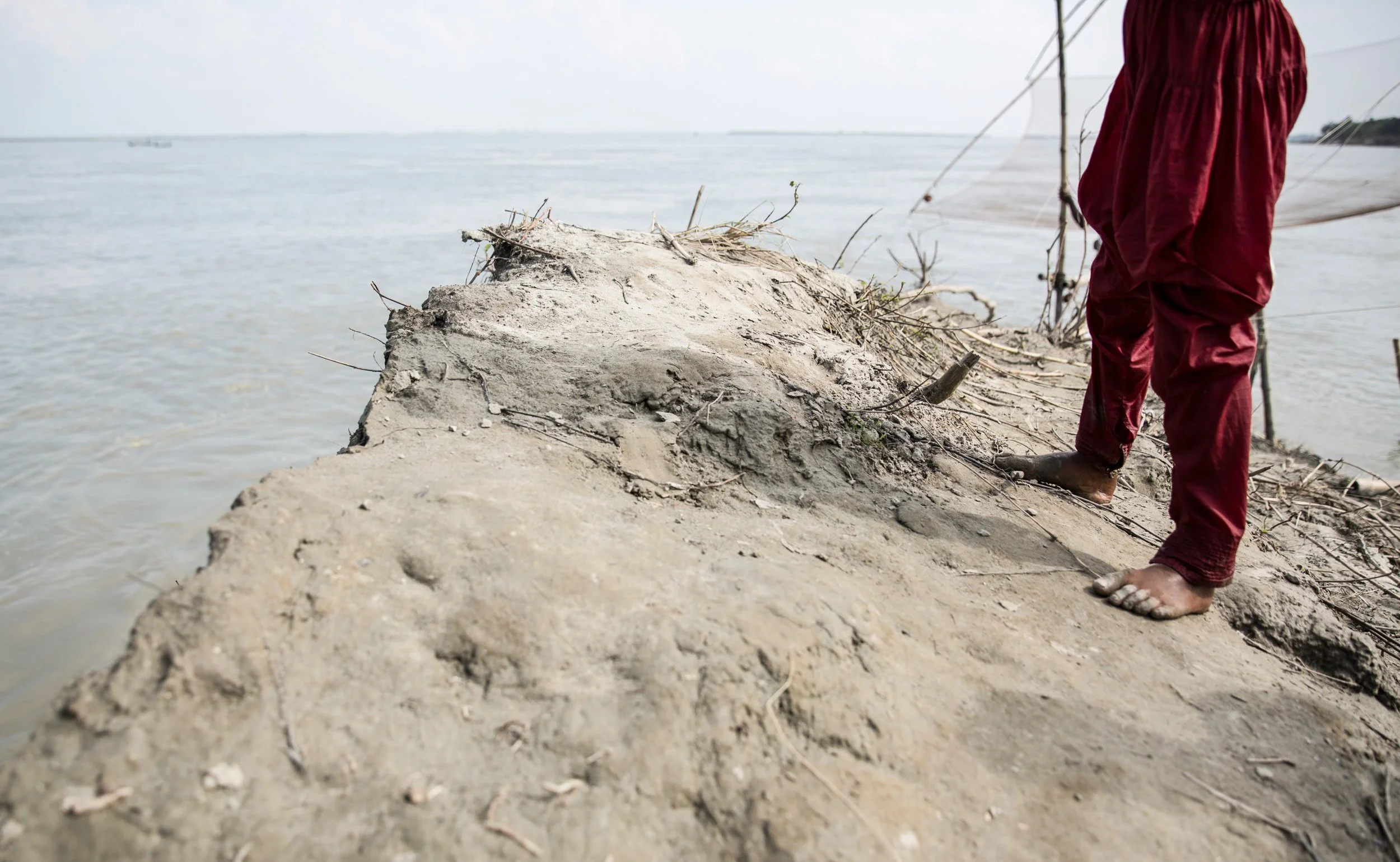
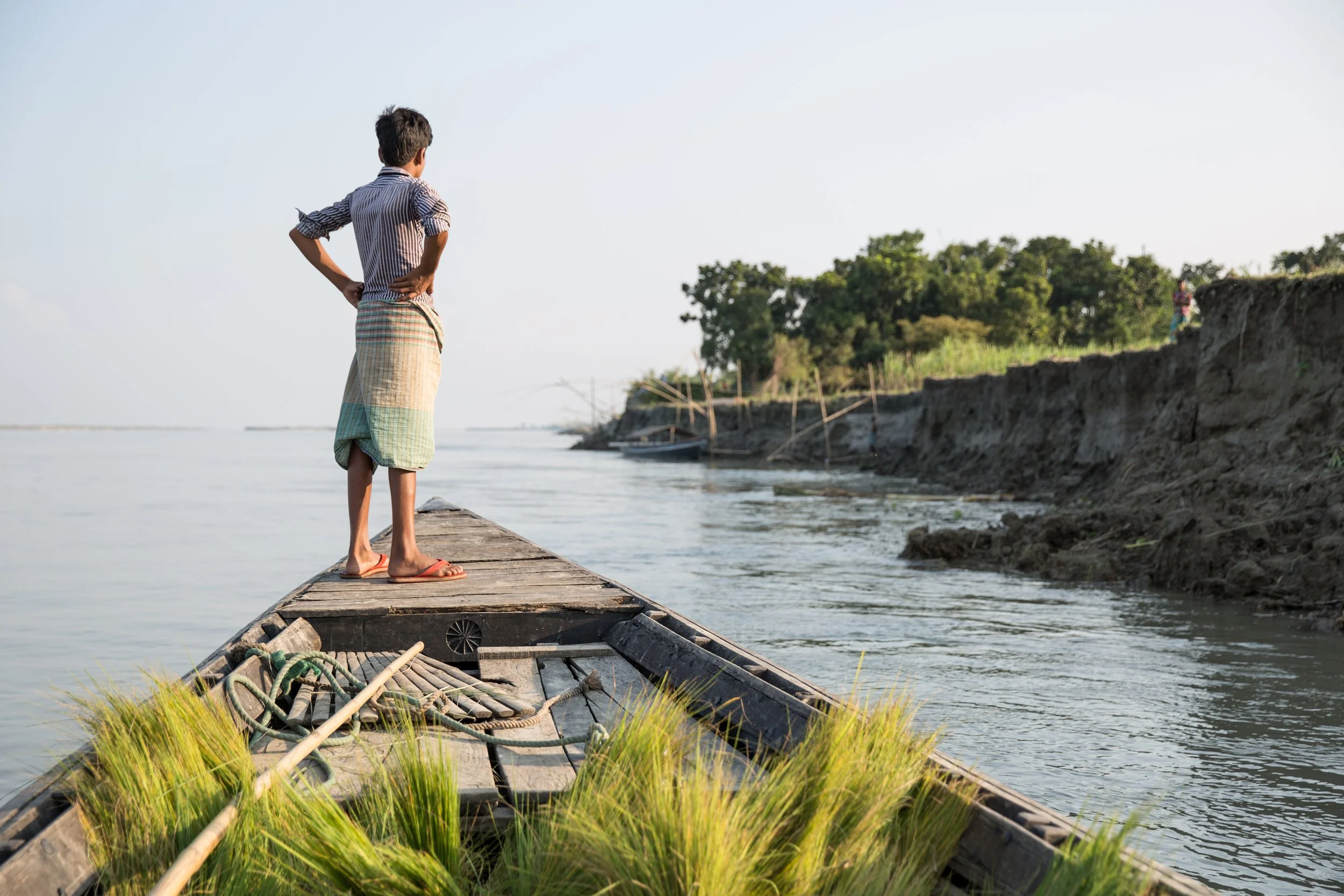
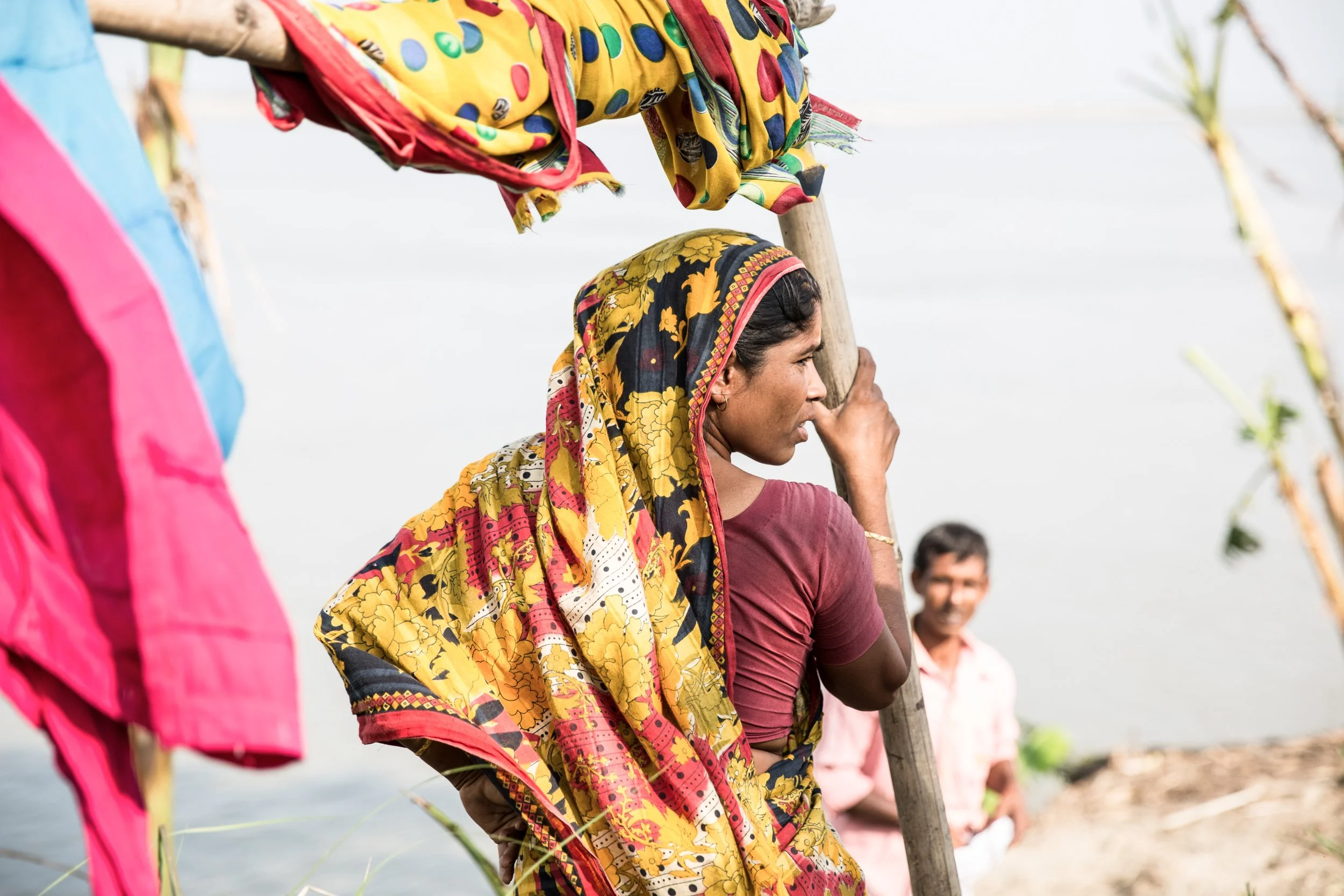
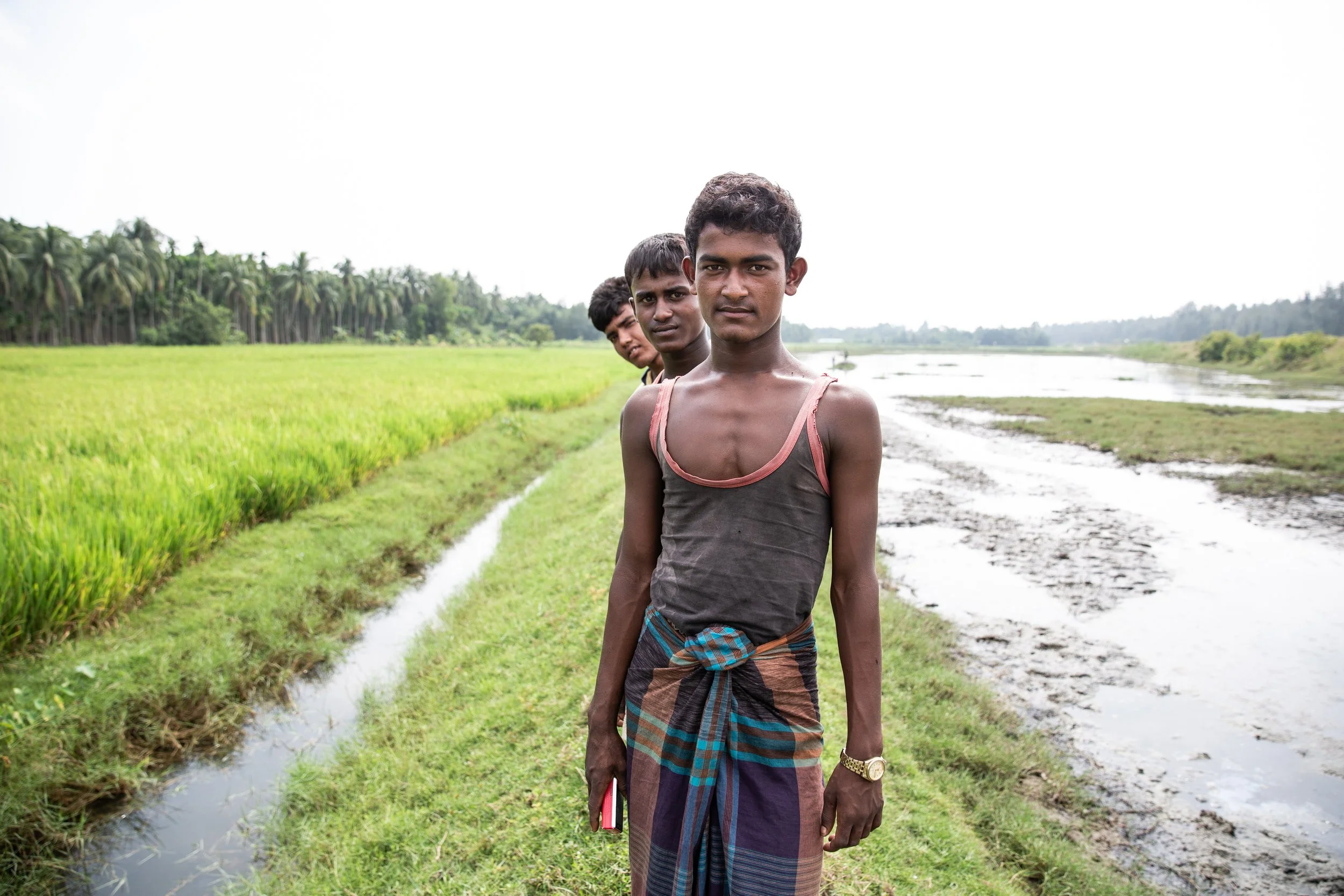
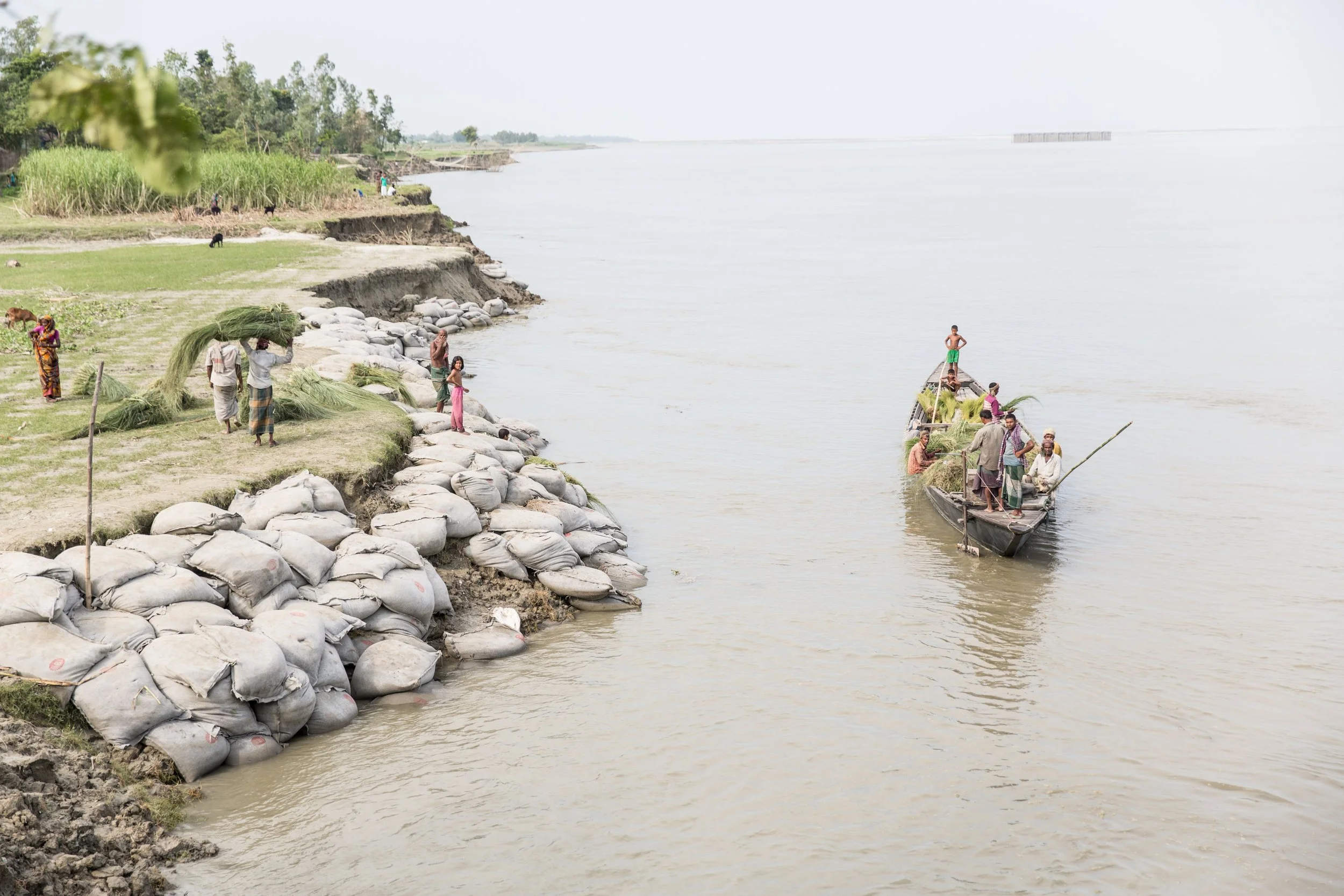
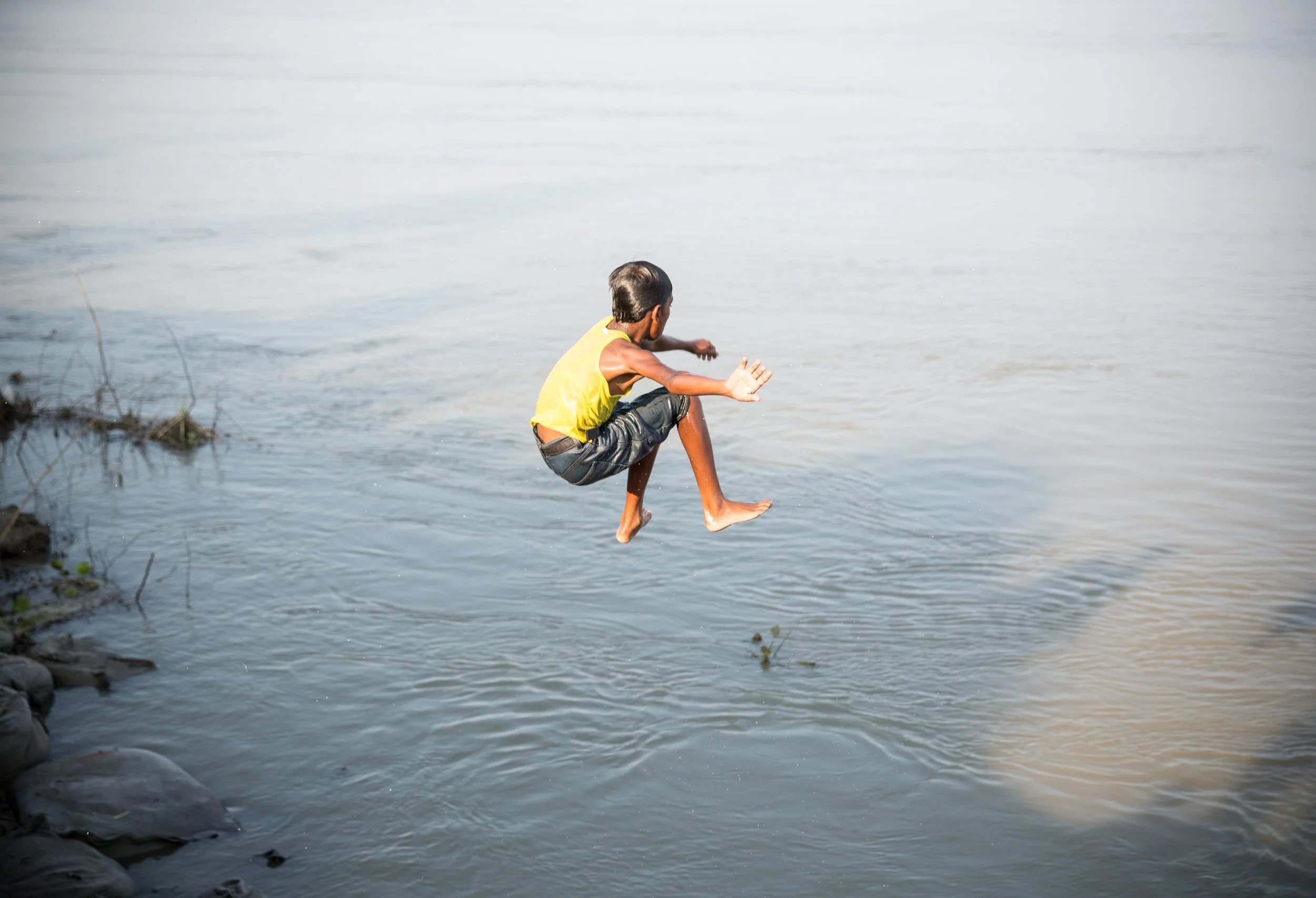
In Sirajganj, in northern Bangladesh, river bank erosion has consumed villages, schools, farmland, and thousands of homes. Families who once lived beside fertile land now find themselves repeatedly displaced, chasing stable ground as the Jamuna River continues to shift. Some residents have rebuilt their homes three or four times over the course of a lifetime.
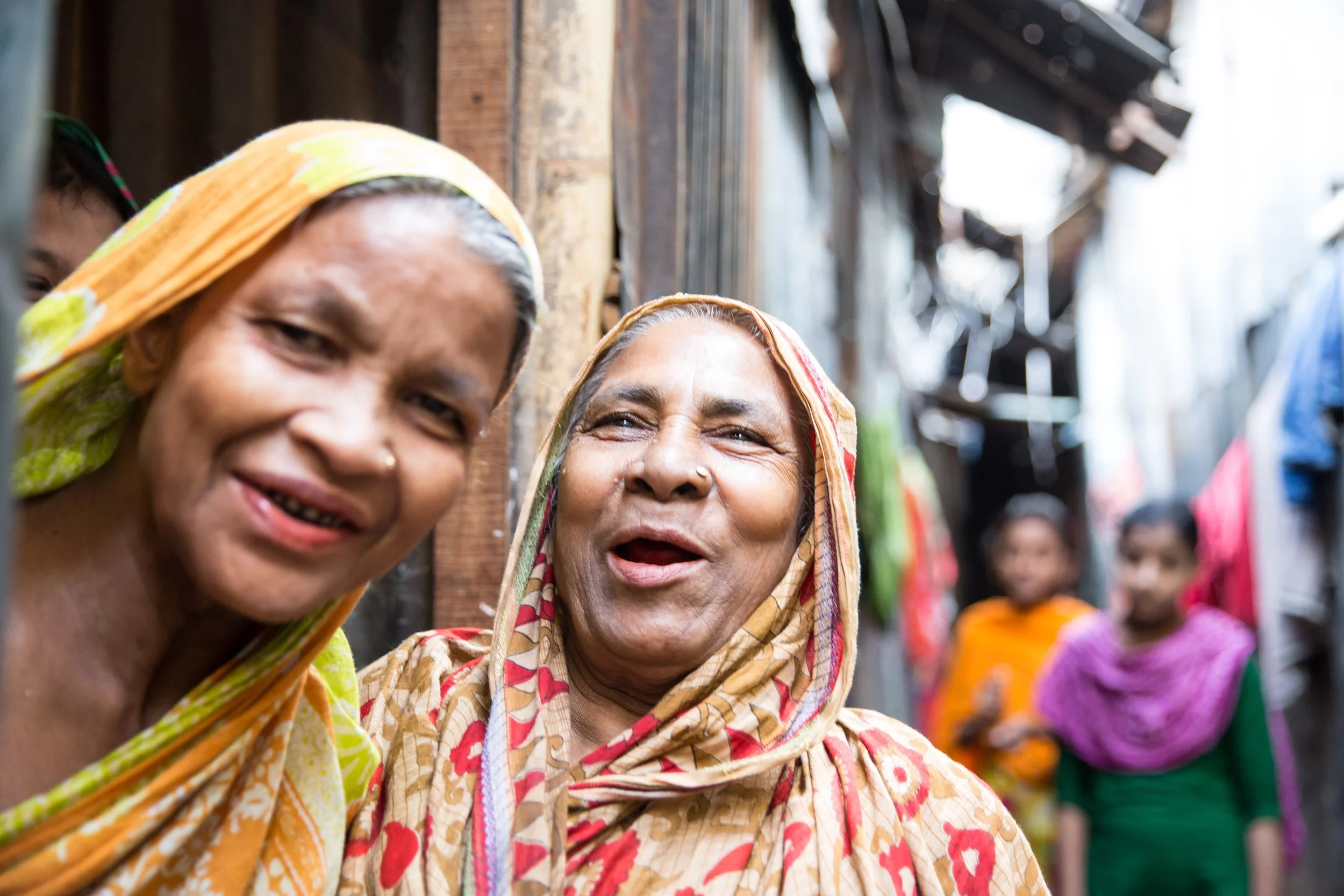
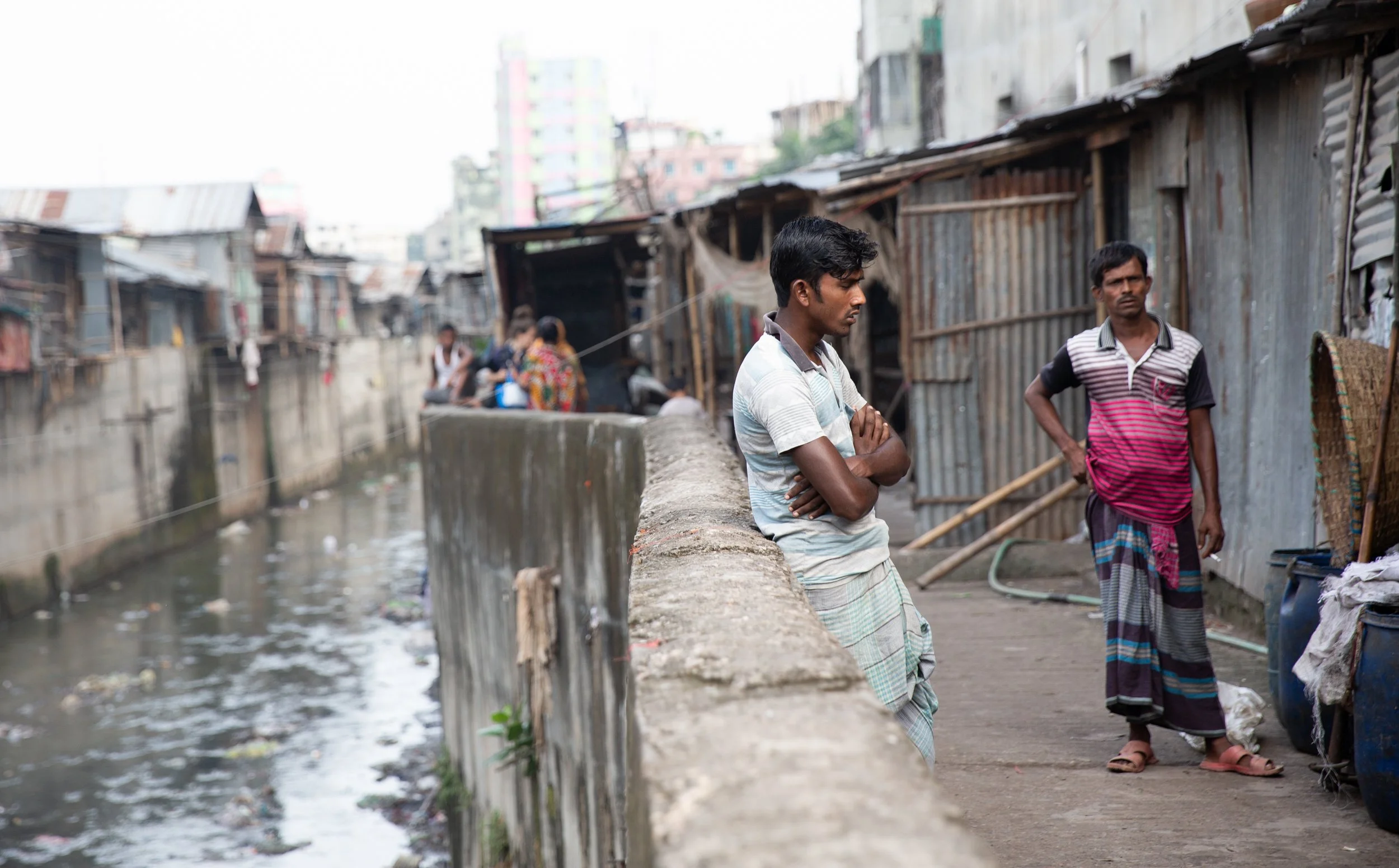
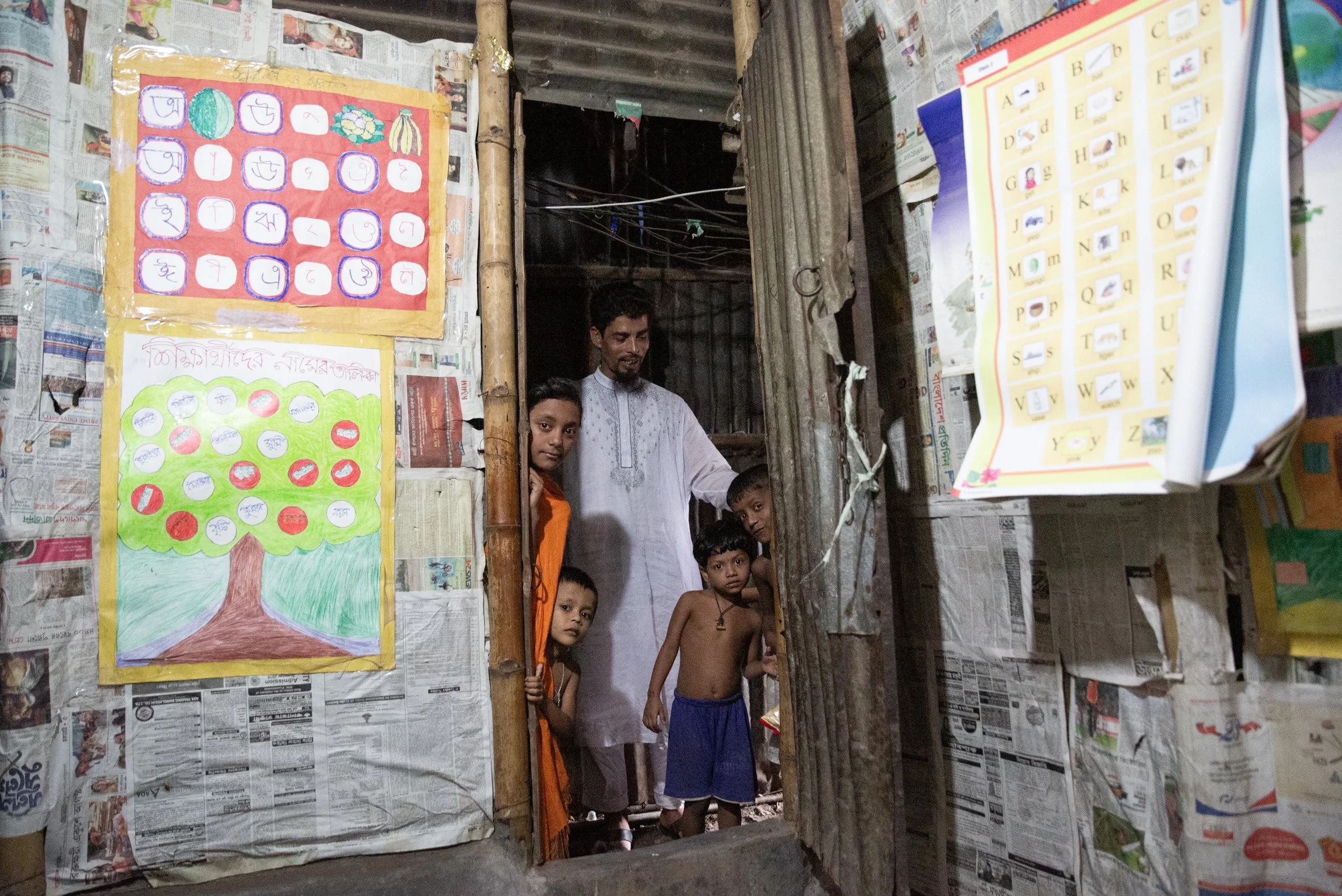
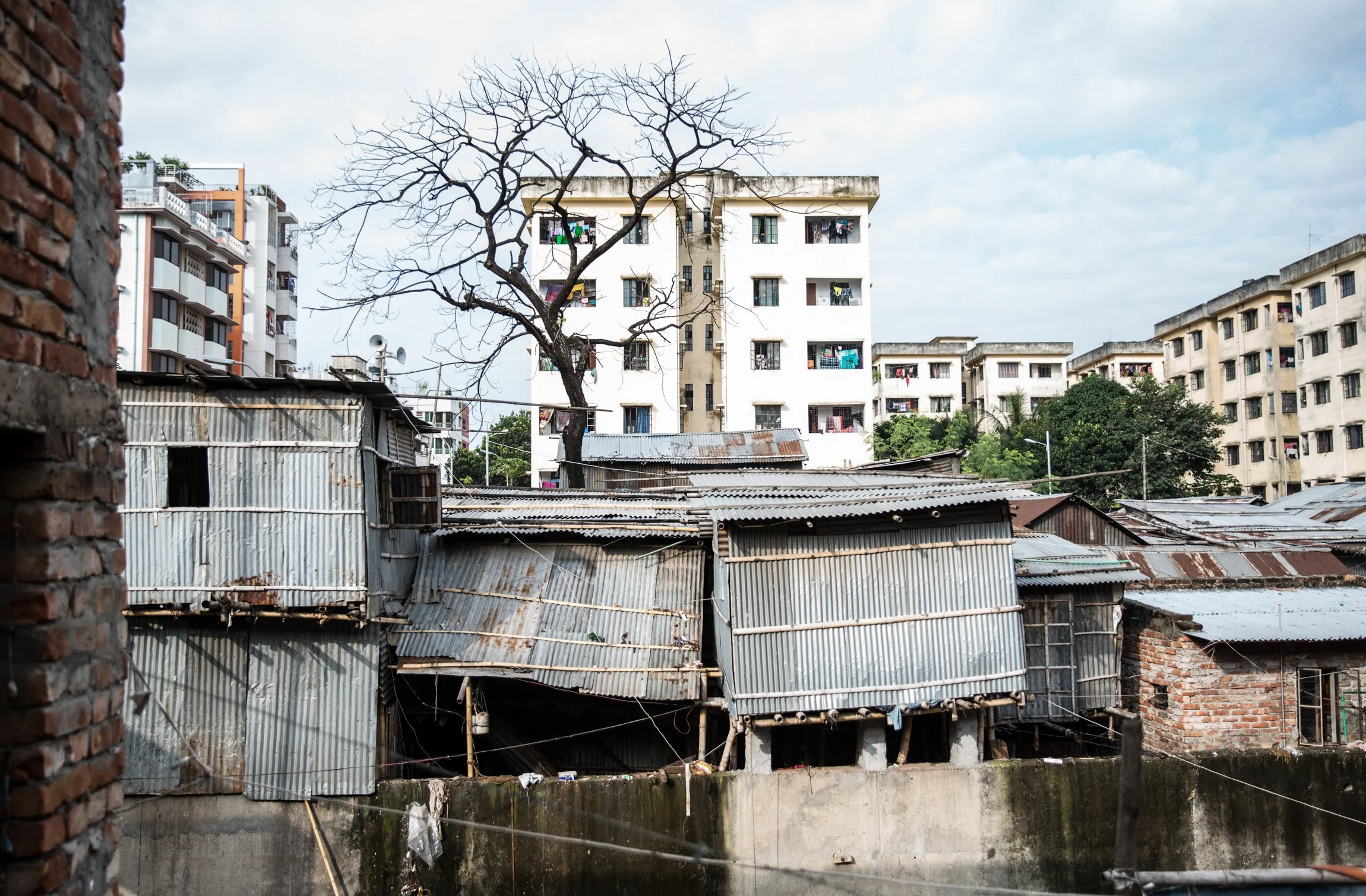
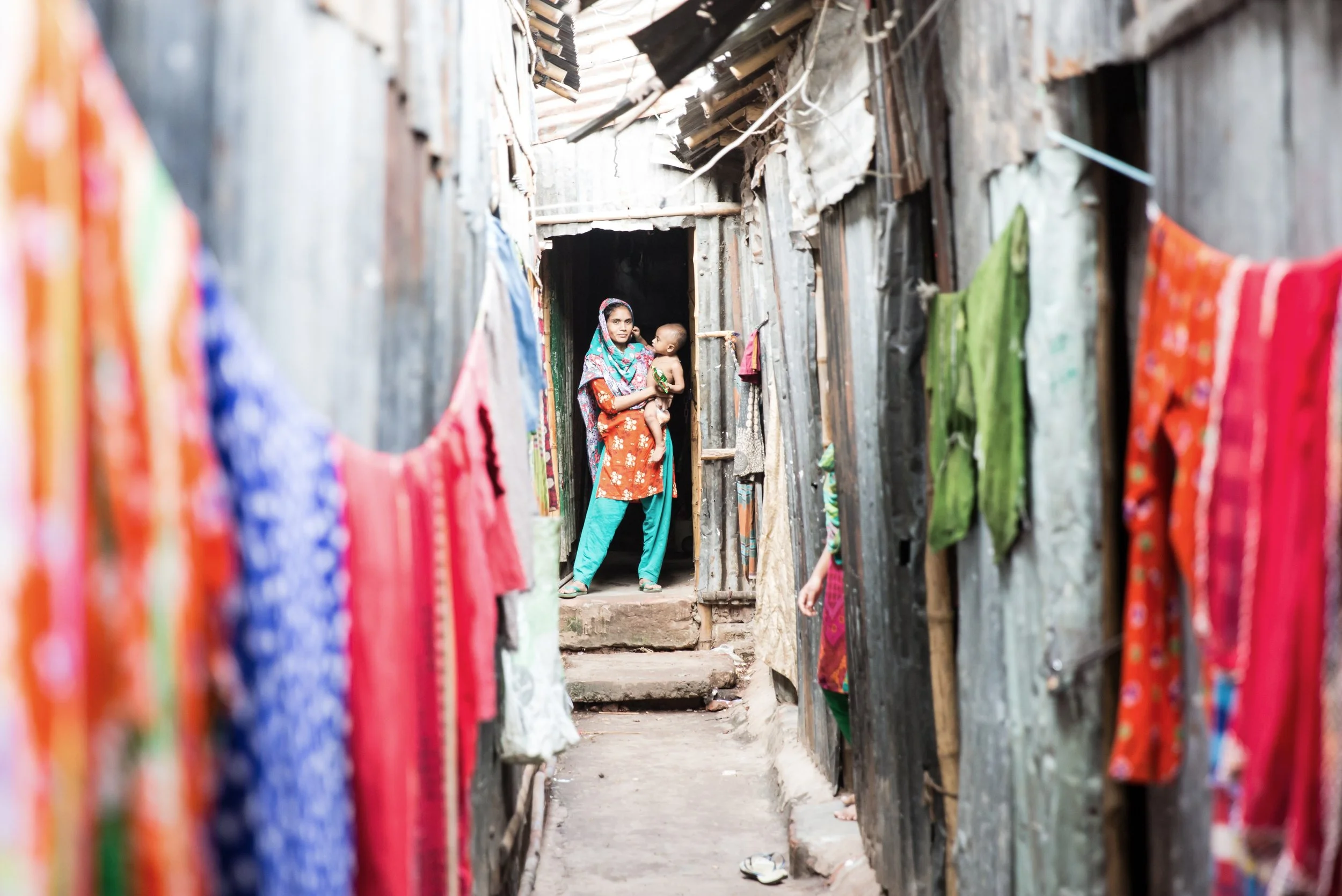
Many eventually migrate to Dhaka, one of the fastest-growing megacities in the world, where informal settlements continue to expand along polluted canals, railway lines, and flood-prone land. In these densely populated neighborhoods, climate displacement merges with urban poverty. Access to water, sanitation, healthcare, and secure housing remains precarious, while the threat of eviction is constant.
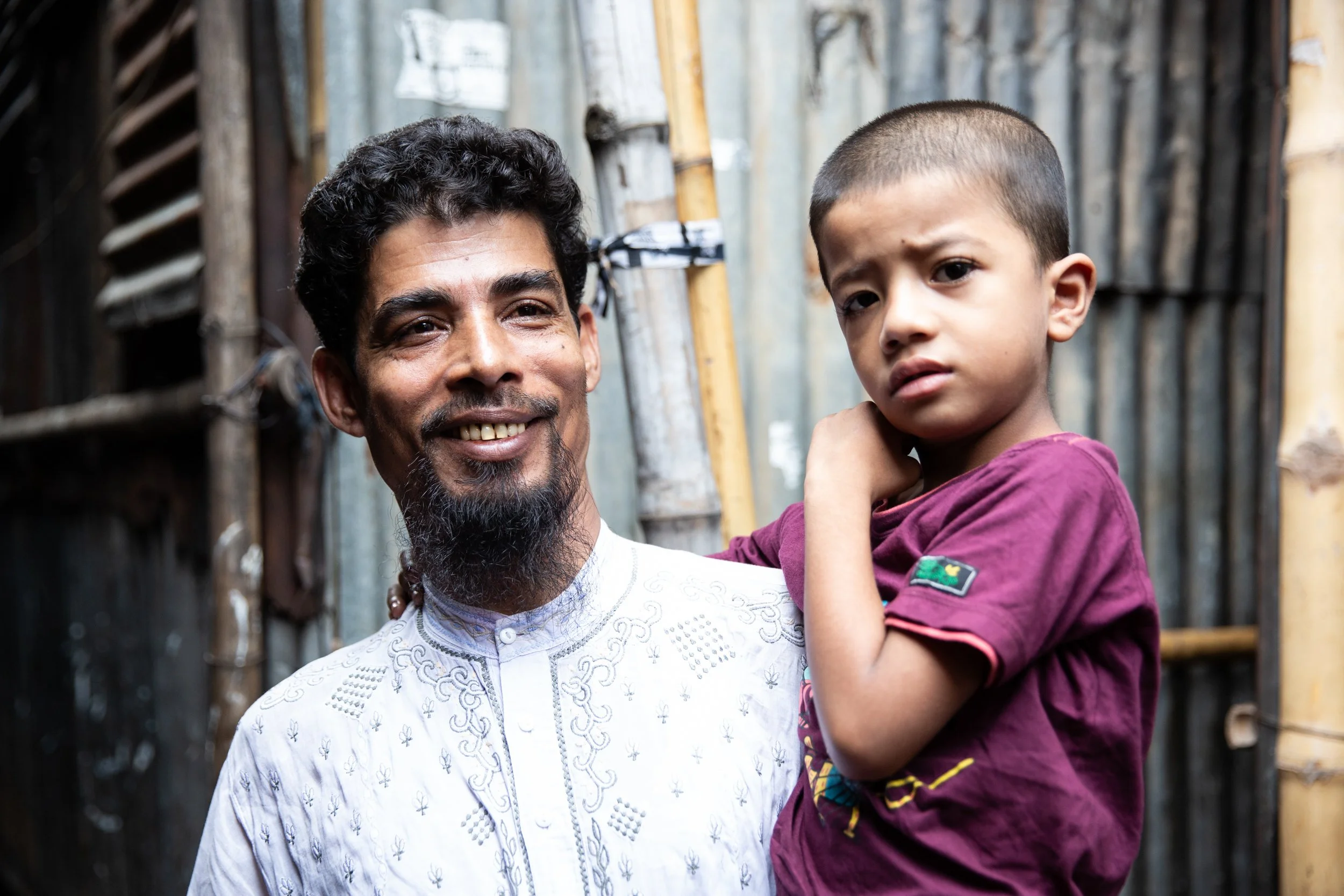
Faruq, one of the founders of the Bhola slum in Dhaka, left his village after erosion destroyed his family’s land near the Meghna River. Like many others displaced by environmental degradation, he abandoned an agricultural livelihood and moved to the capital in search of survival. The migration was gradual: a series of losses that narrowed the possibility of staying.
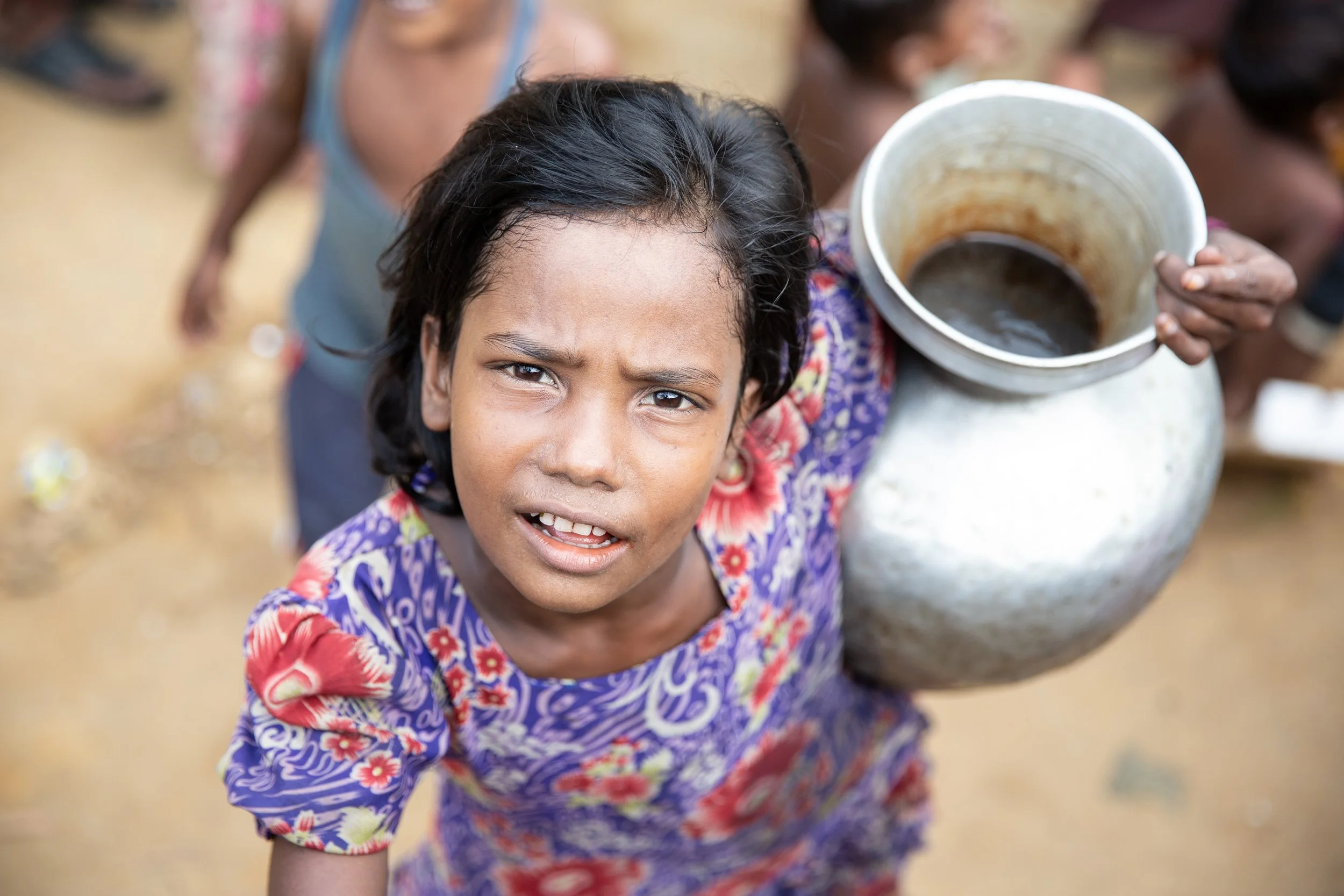
Along Bangladesh’s southern coast, the consequences of climate change unfold differently. Cyclones, storm surges, and salinity intrusion increasingly contaminate freshwater sources and agricultural land. In some coastal areas, rice cultivation has given way to shrimp farming and saline-tolerant crops. Adaptation has become necessary, but uneven. While some communities adjust, many others face deepening economic insecurity and displacement.
Taken some years ago, these images document lives already shaped by environmental instability and forced movement, before climate displacement became central to global political discourse. Today, the realities they portray have only intensified. Across South Asia, climate change and migration are increasingly inseparable, as rising environmental pressures continue to alter where and how people are able to live.