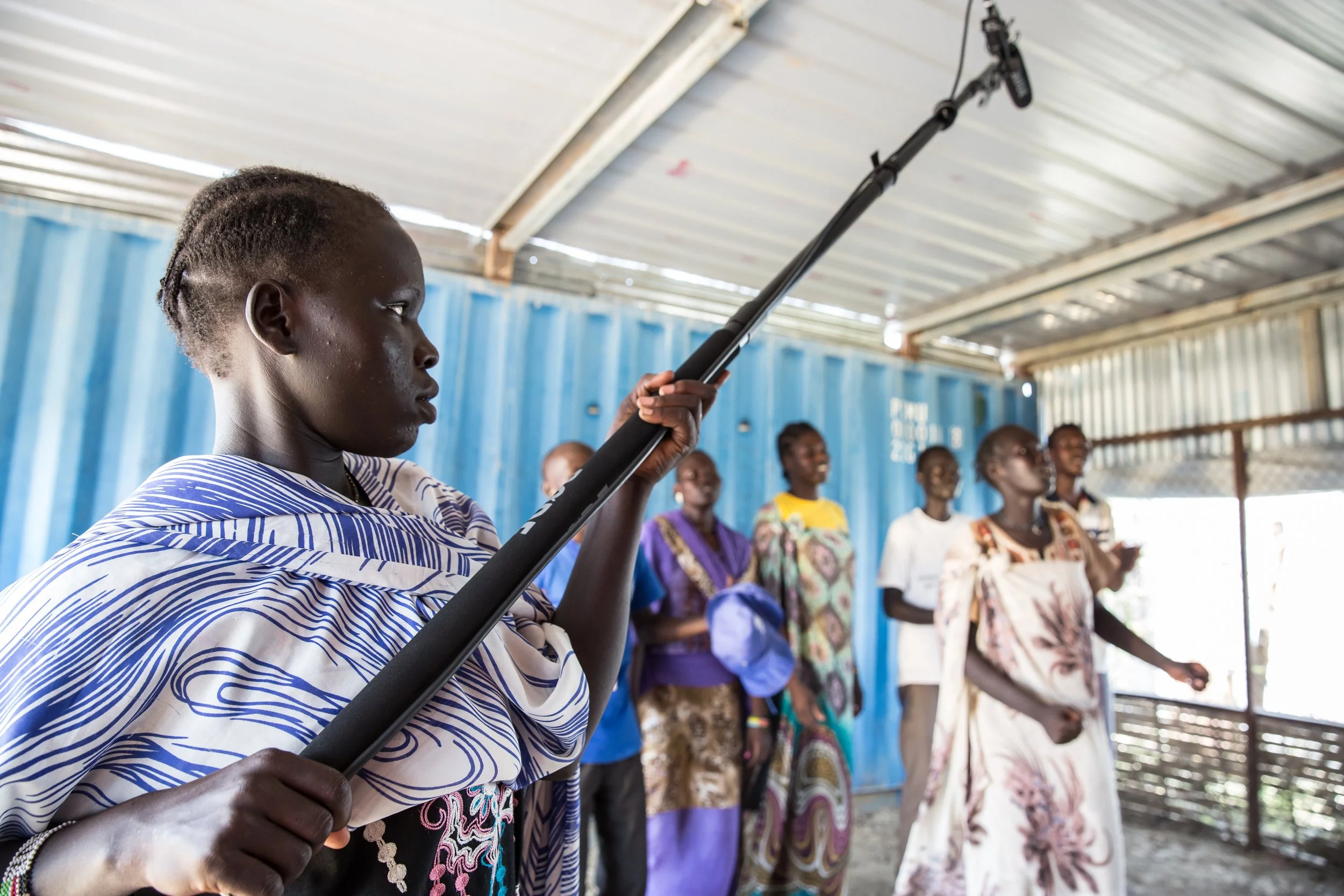
Participatory multimedia content creation expands the logic of participatory video into a broader ecosystem of tools—audio, photography, text, mapping, and digital platforms—placing storytelling power directly in the hands of communities. It is not merely about producing content, but about redistributing authorship and shaping how knowledge is created and shared. When people co-create across formats, they do more than document their realities; they negotiate meaning, challenge dominant narratives, and build shared ownership over both process and outcome. The act of collaborating—deciding what to include, whose voice leads, and how stories travel—can foster trust, strengthen social ties, and cultivate a sense of collective identity. In this way, participatory multimedia becomes both a method of expression and a subtle architecture for cohesion, where the medium is inseparable from the social fabric it helps weave.
How it can be used:
Community advocacy: Co-create stories that highlight local challenges and present them to policymakers or stakeholders.
Education and learning: Engage students or community members in producing multimedia projects that deepen understanding through active participation.
Cultural preservation: Document languages, traditions, and oral histories in formats that can be shared across generations.
Public health communication: Develop locally relevant messages—videos, audio clips, or graphics—that resonate more effectively than top-down campaigns.
Participatory research: Use multimedia outputs as both data and dissemination tools, capturing lived experiences in richer, more nuanced ways.
Social cohesion initiatives: Facilitate collaborative storytelling projects that bring together diverse groups, encouraging dialogue and mutual understanding.
Participatory Content Creation
Participatory Video Afghanistan
.
Participatory Video Afghanistan .
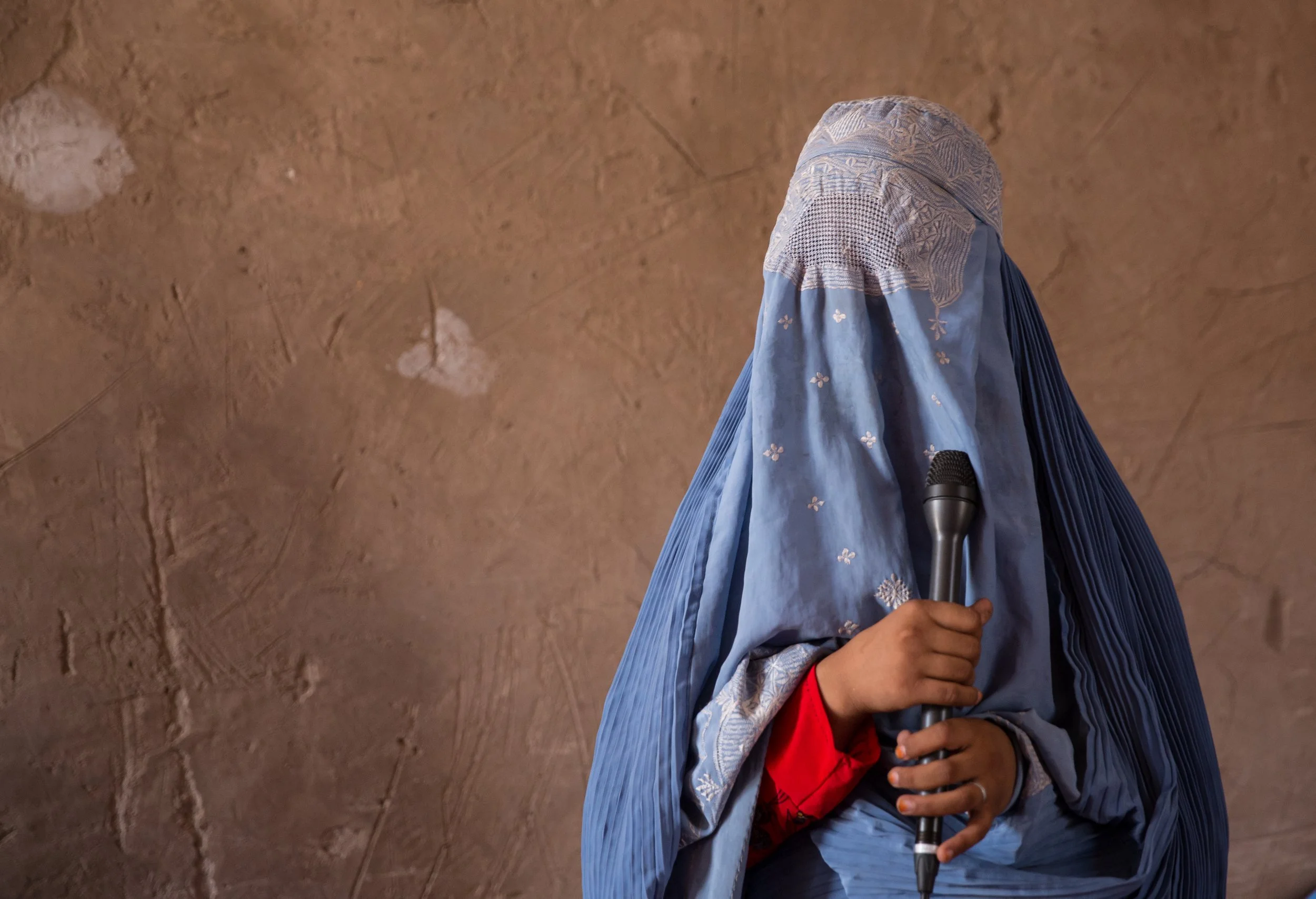
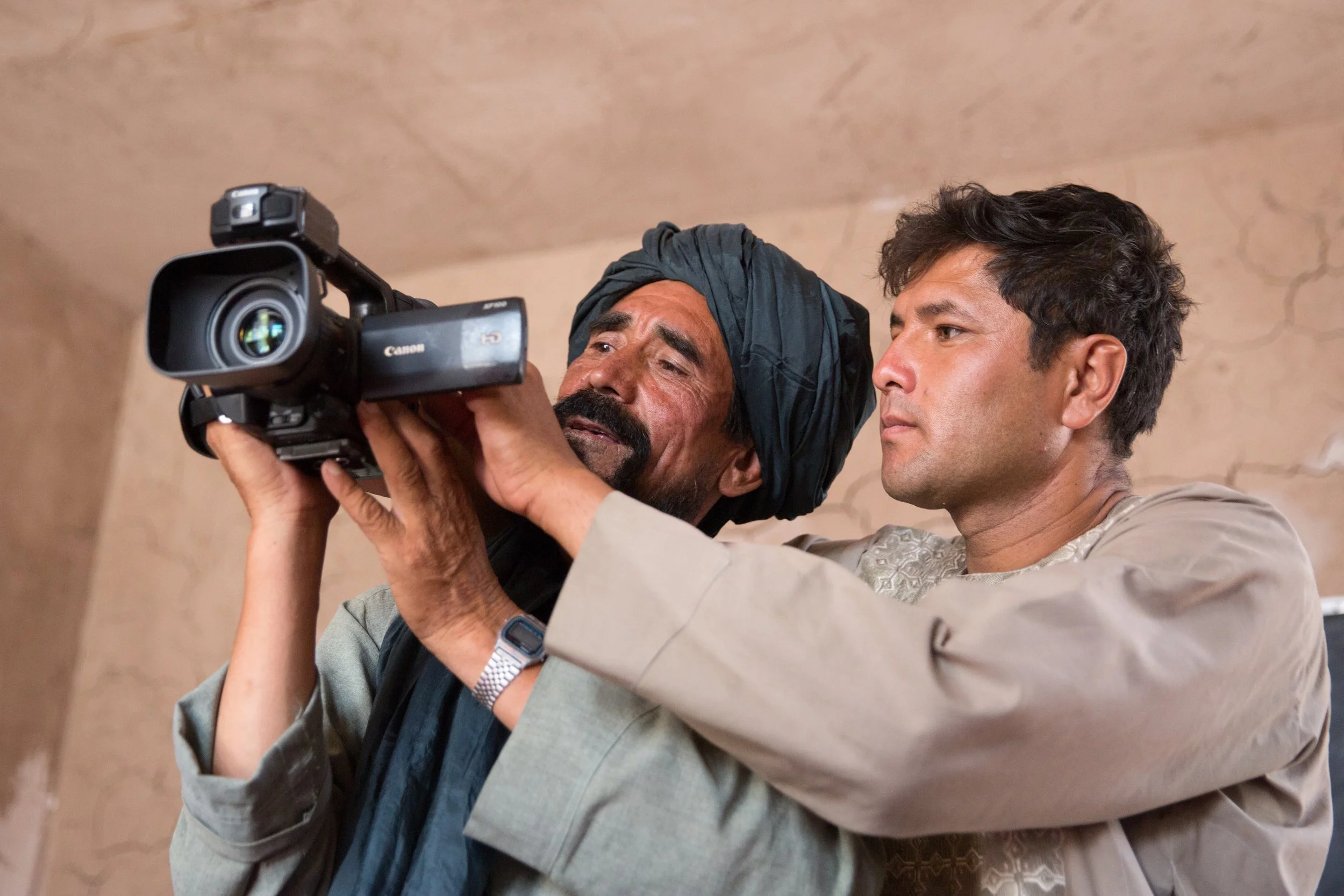
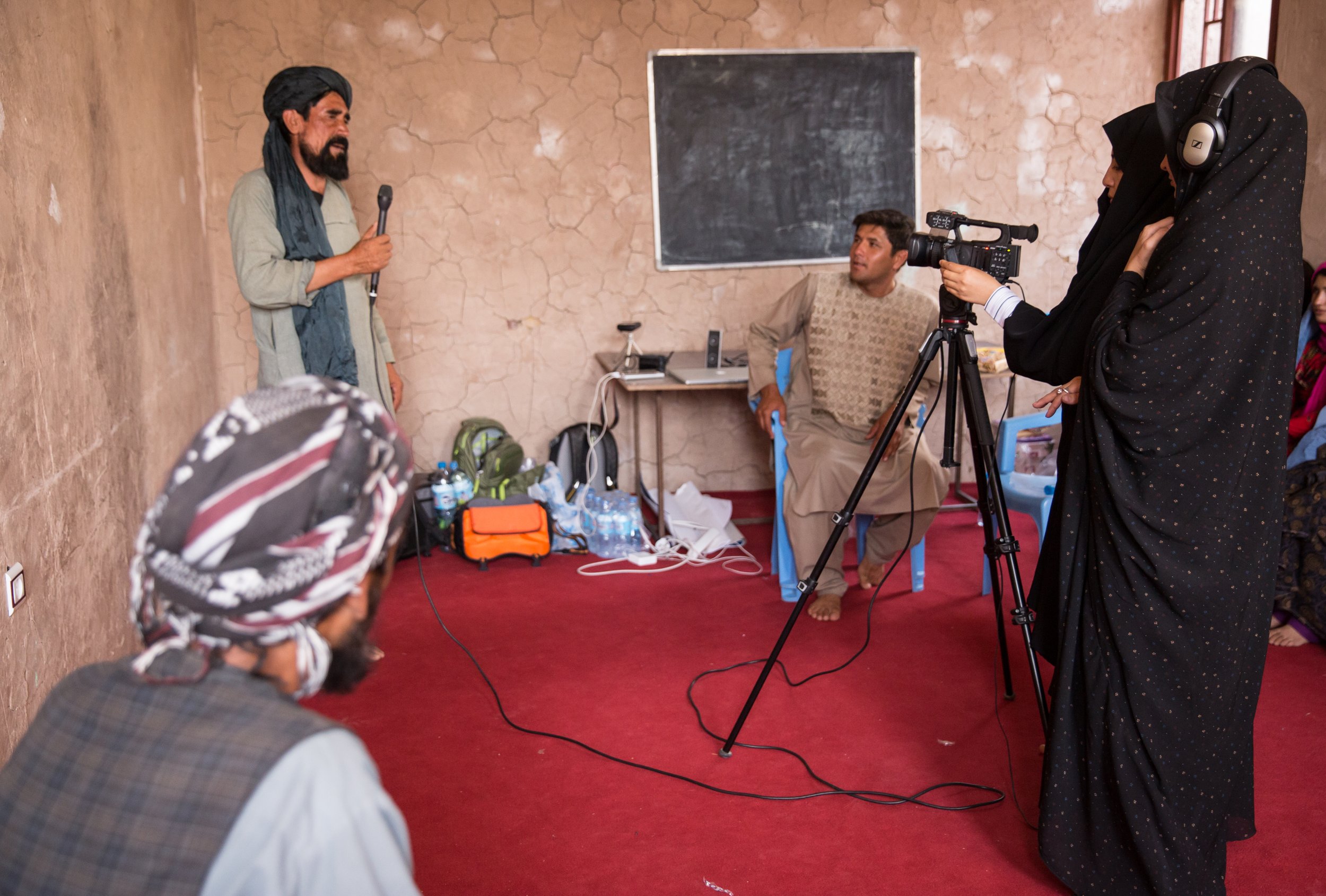
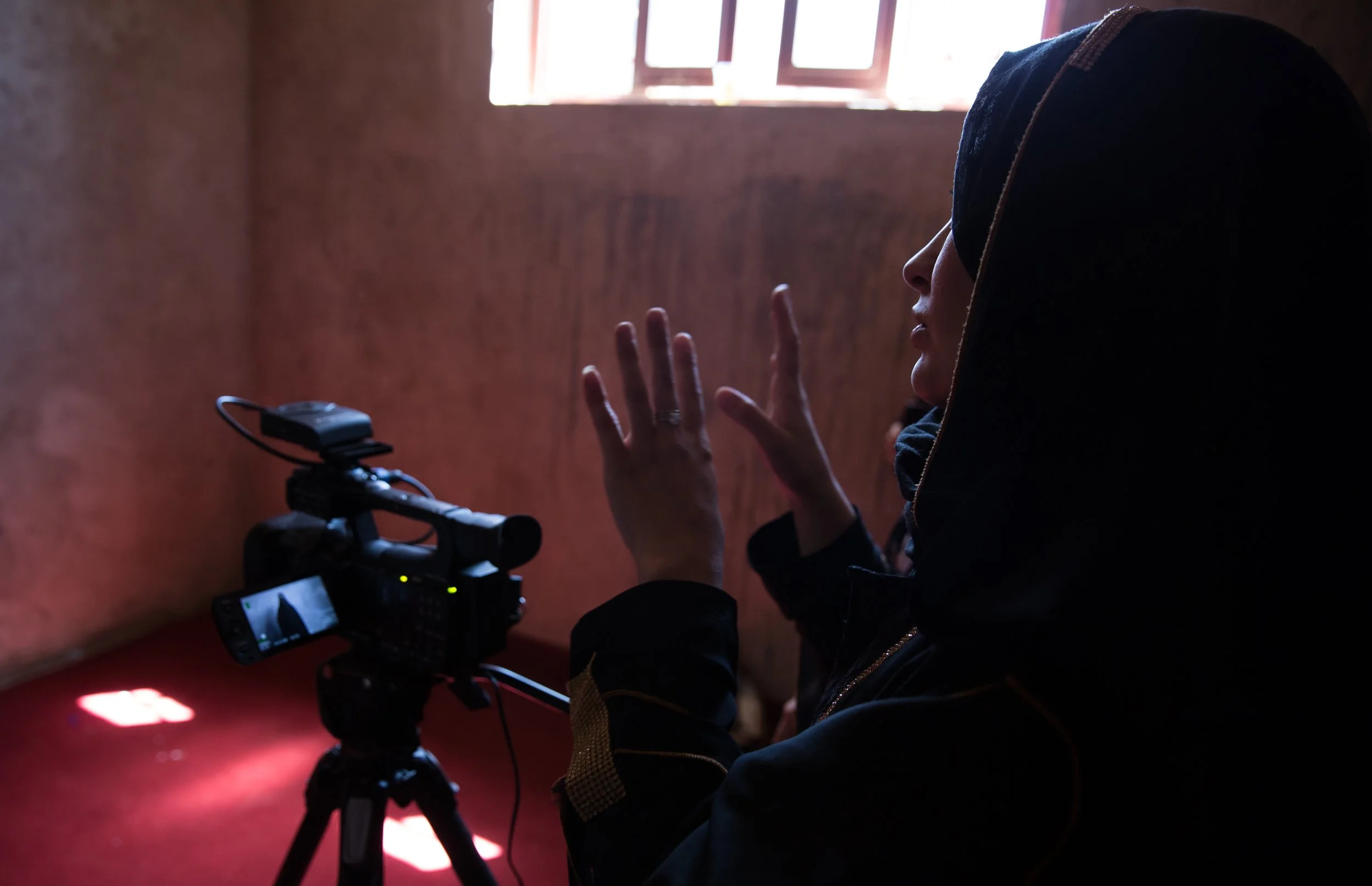
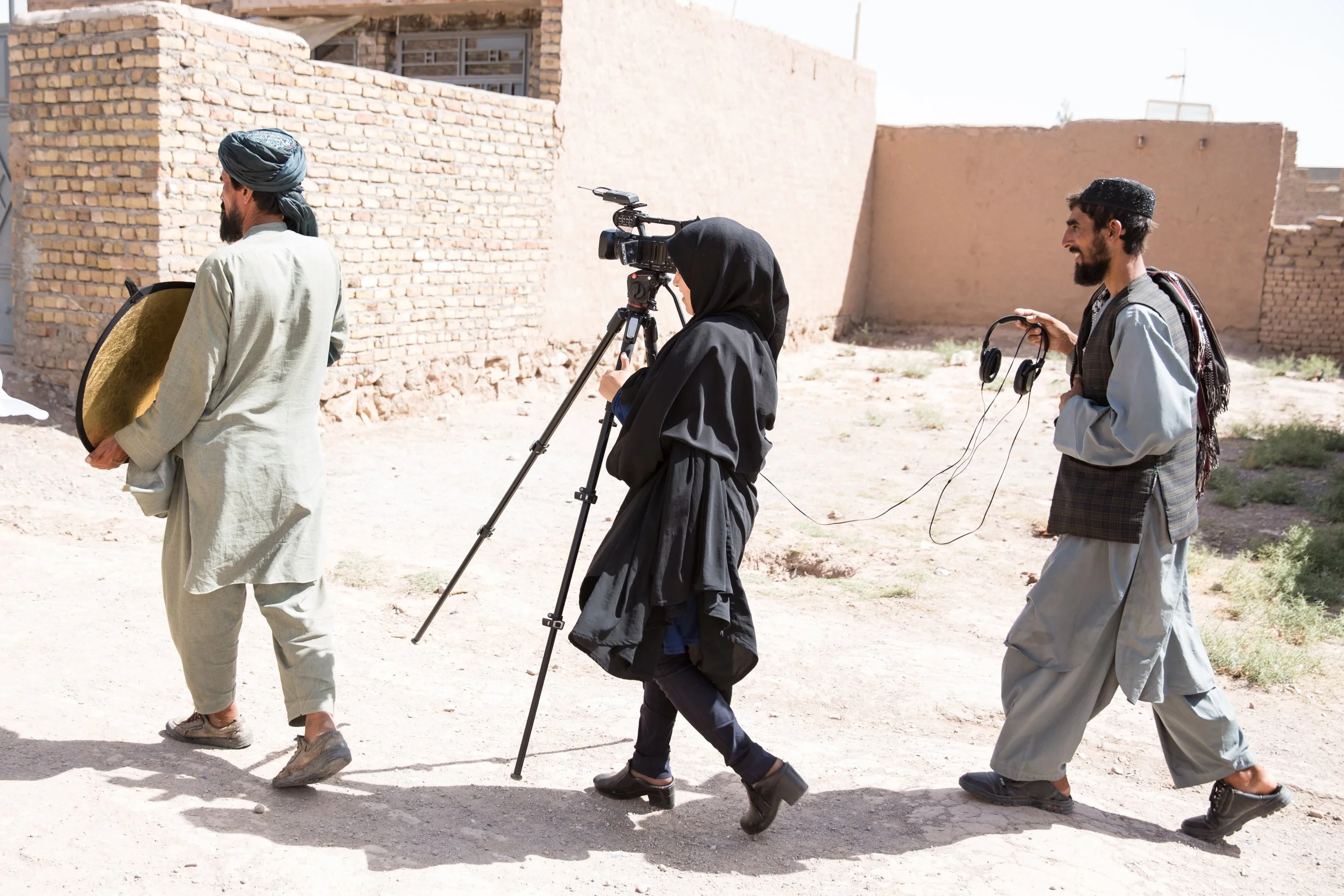
Herat, Afghanistan — Maryan holds a microphone for the first time. “Children were dying and our crops drying,” she says, after fleeing drought. She is one of 13 young Afghans in a participatory video project, learning to film and tell their own stories. Bringing together displaced people, returnees and host communities, the process creates space for dialogue, connection and voice in a context where it is often constrained.
Participatory Photobook Senegal
.
Participatory Photobook Senegal .
Dakar, Senegal — “Being a young dreamer, I wanted to study medicine in Spain.”
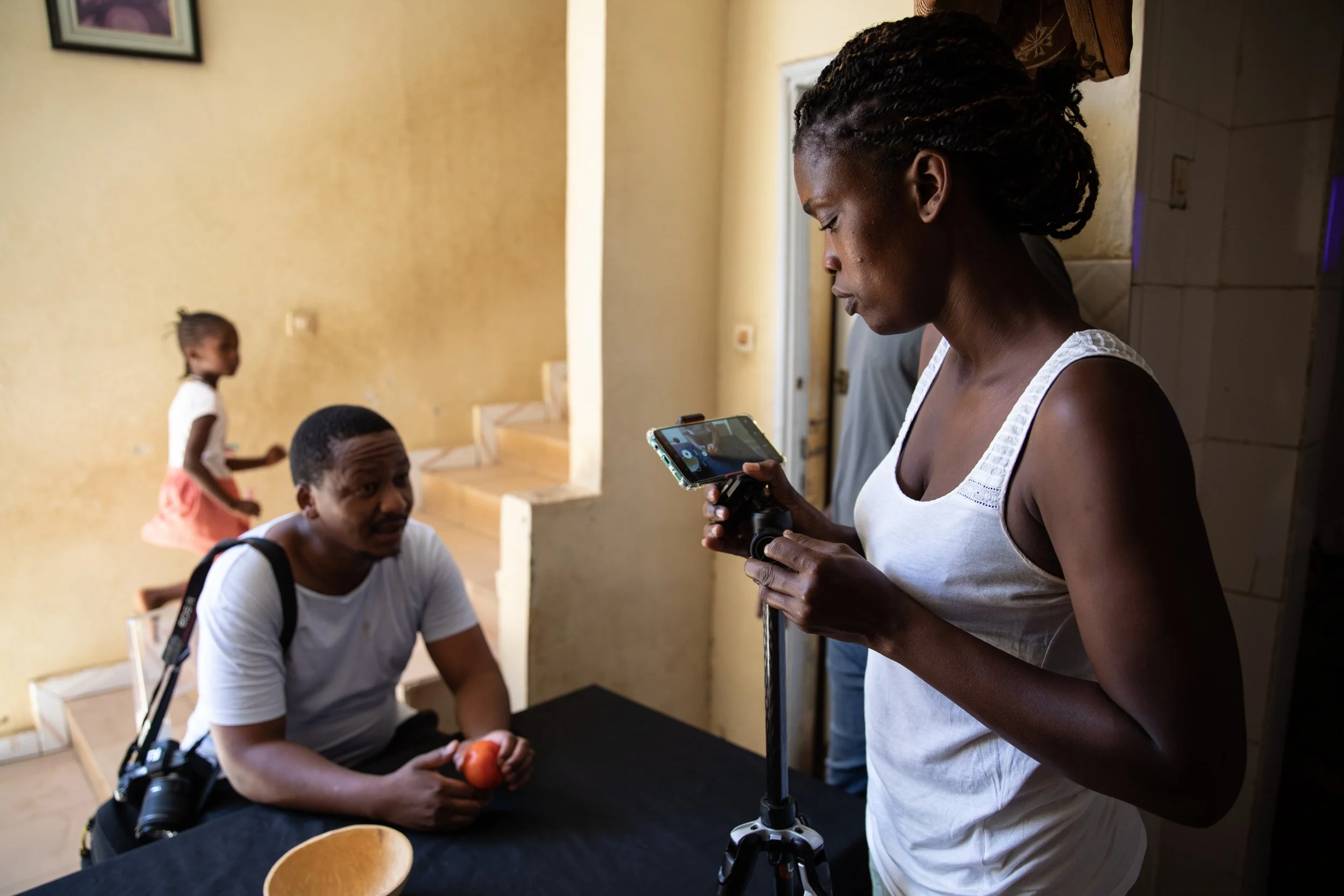
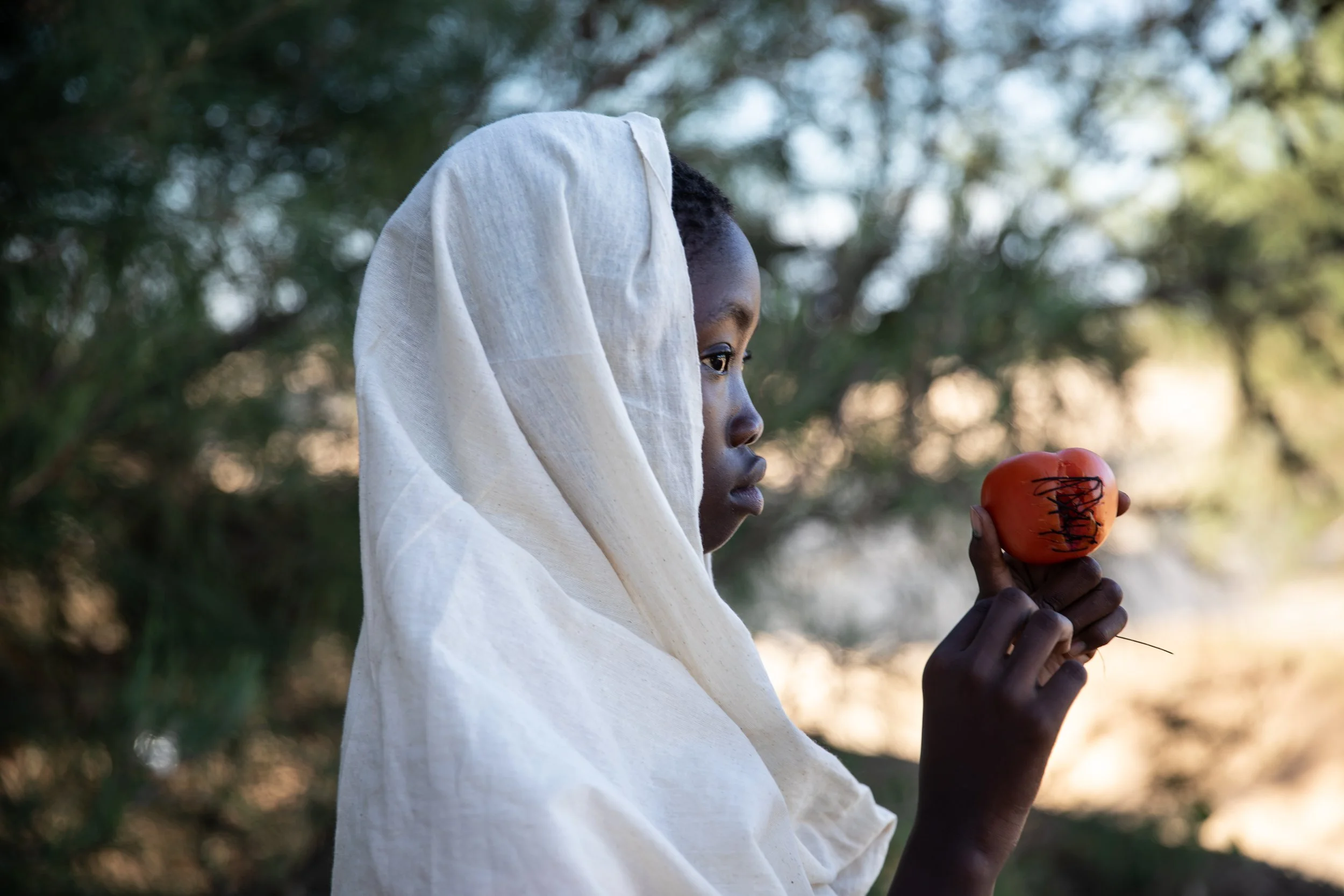
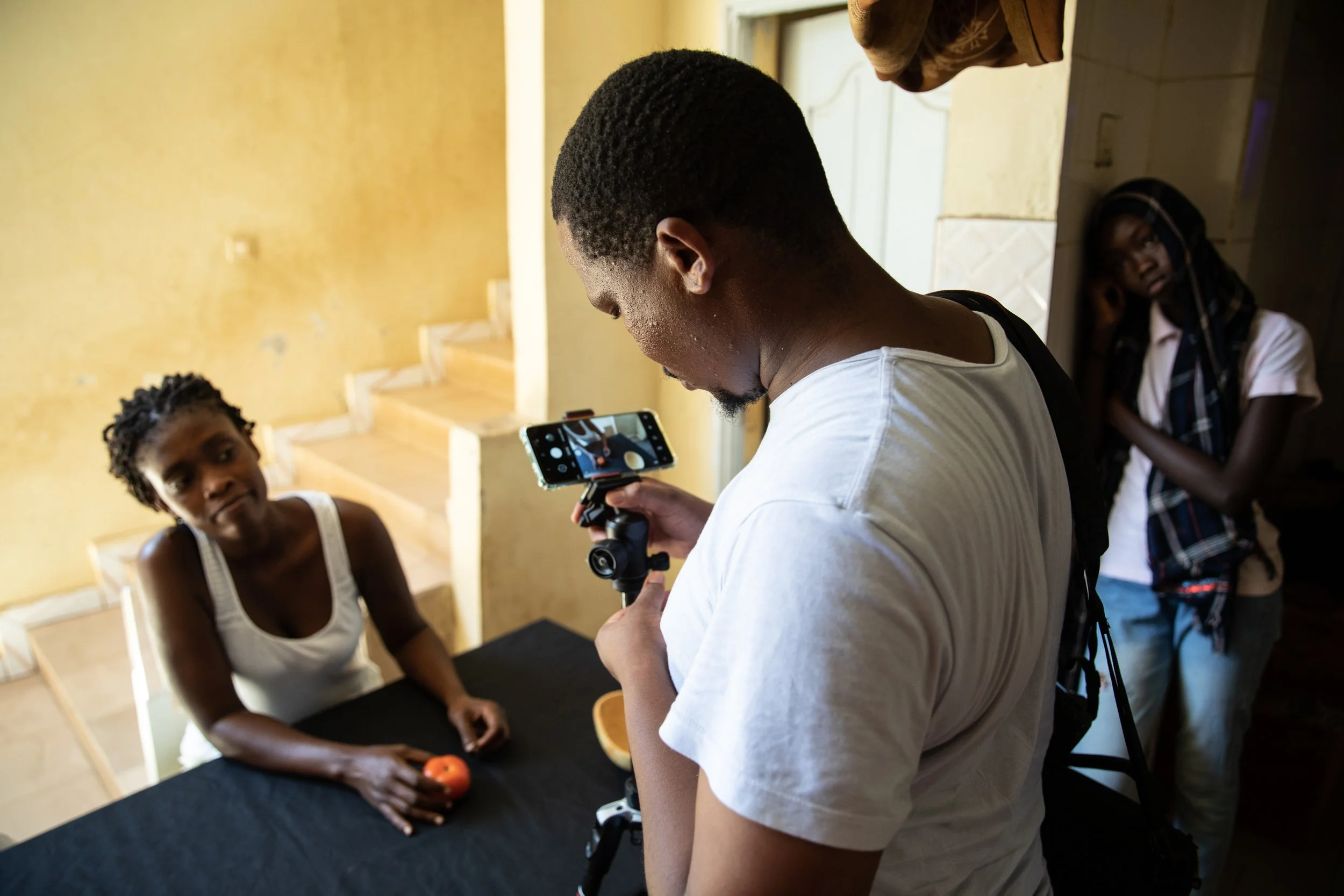
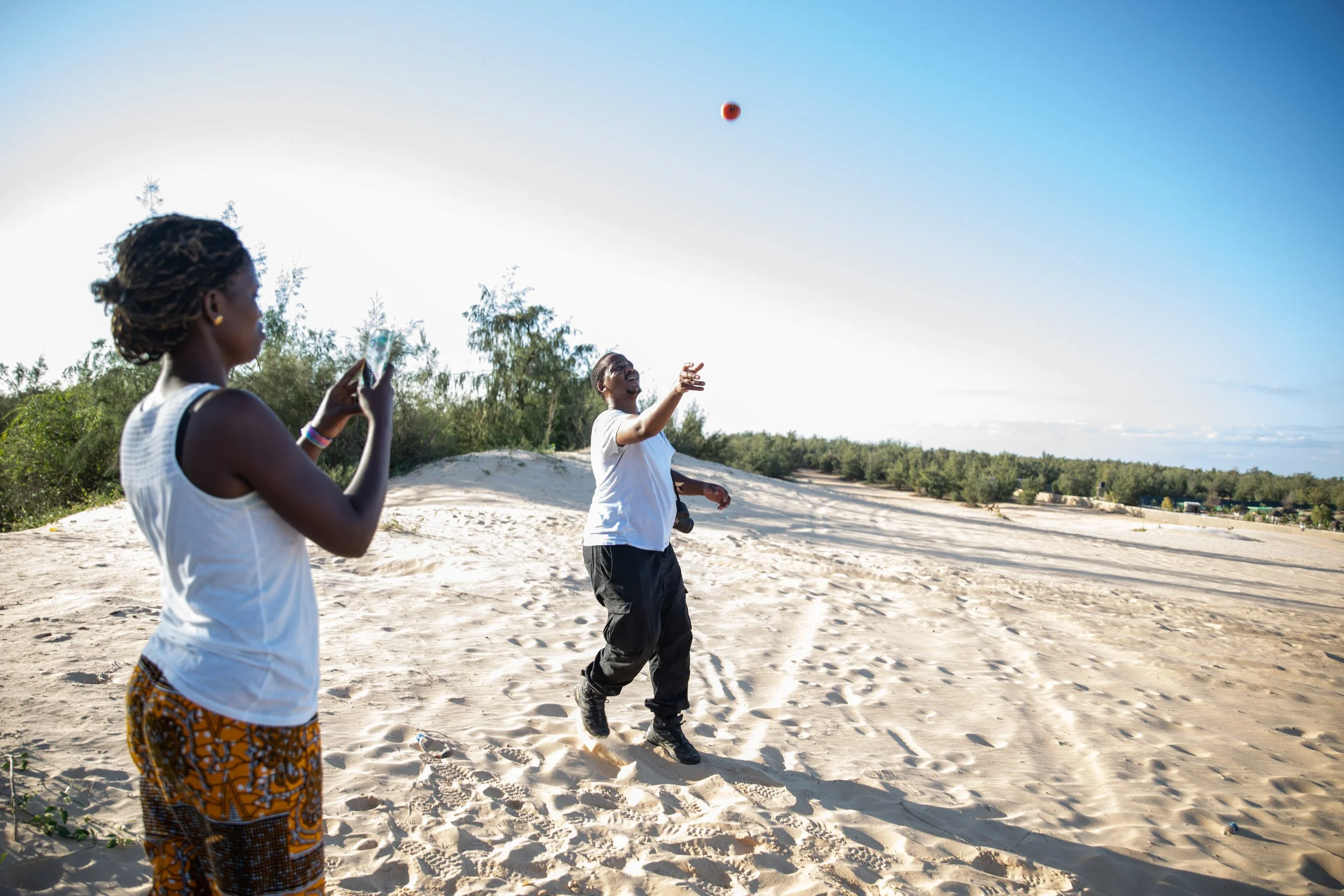
In 2006, amid a surge of boat departures from Yarakh, Senegal, Fatou Guet Ndiaye set out for Europe aboard a small “pirogue.” After days adrift on the open ocean without reaching their destination, the fuel ran out. The group turned back and eventually made it to shore in Saint-Louis. Years later, in 2019, Fatou joined the Migrants as Messengers (MaM) initiative as a volunteer and was selected to contribute to the photobook Cowries. A collaboration between Magnum Photos and Migrants as Messengers, the project equips returnee migrants in West Africa with the tools and skills to tell their own stories. The visual project created a dialogue between communities and storytellers.
Through these narratives, returnee migrants offer an intimate and nuanced perspective on the diverse realities shaping life across the region. The Tomato and the Blade is the story Fatou tells about female circumcision, approaching a sensitive subject through personal reflection and culturally grounded storytelling.